
Will Movers Go to a Storage Unit?
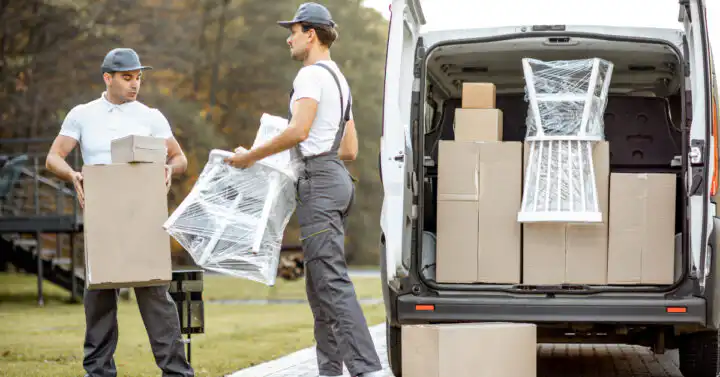
Yes. Professional movers load and unload storage units every day. A crew can pick up from your home and deliver to a self-storage unit, empty a unit into your new house, or handle both stops on one move. The key is planning around gate hours, access rules, and truck clearance.
Storage stops are a normal part of our work at Firehouse Movers. Since 1998, our crews have run moves from our Lewisville base across our North Texas service area, including Dallas, Denton, Collin, and Tarrant counties. Many of those moves include a storage facility somewhere on the route. This guide explains what movers do at a storage unit, how to choose a unit size, and how self-storage compares with storage through your mover.
What Movers Will Do at a Storage Unit
The most common job is a home-to-storage move, where the crew loads your house or apartment and stacks everything into your unit. The reverse is just as common: the crew empties a unit and delivers everything into your new home, placing furniture room by room.
Many moves combine the two. Some belongings go to storage while the rest go to the new house, all in one trip. We also handle storage-to-storage moves, such as upsizing from a small unit to a larger one, and partial pickups, where you only need a bedroom set or a few boxes pulled from a unit. Tell us about every stop when you ask for an estimate. Each stop adds drive time and handling time, and an accurate plan keeps your estimate straightforward.
Why People Hire Movers for a Storage Unit
Most storage moves come from a gap in timing or space. Closing dates that don't line up are the biggest reason. You may need to be out of the old house before the new one is ready, and your belongings need a place to wait. If your dates change at the last minute, our guide to short-notice moves explains how fast moves work.
Downsizing is another common reason. Furniture that won't fit a smaller home can go into storage while the family decides what to keep, sell, or donate. Our senior downsizing guide walks through that sorting process step by step. Families relocating to North Texas through a long-distance move also store belongings while they compare neighborhoods, and our guide to the safest neighborhoods in Dallas is a helpful place to start that search.
Property managers use storage moves during rental turnovers, when furniture needs to come out between tenants. For court-ordered move-outs, see our Texas eviction moving guide.
Storage Facility Logistics That Affect Your Move
The unit is rarely the hard part. The facility is, so before we book a storage stop, we ask about access and hours.
Gate Access Codes and Tenant-Presence Rules
Most facilities issue a gate code to the tenant on the lease. Some let you share that code with your movers. Others require the tenant to be on site, or ask you to add the moving company as an authorized user at the office ahead of time. Call the facility a week before your move and ask two questions: can movers enter with my code, and do I need to be there?
Office Hours vs. Gate Hours
These are often two different schedules. The office may close hours before the gate does. Anything that needs office staff, such as a new unit assignment, a lock removal, or cart access, has to happen during office hours. We plan storage stops with buffer time before the gate closes, since a loaded truck waiting outside a locked gate costs you time.
Drive Aisles and Truck Clearance
Full-service movers usually arrive in a large commercial box truck, often 26 feet long. That size can carry the contents of a full house in one trip, but it needs room to maneuver. Many facilities were built with pickups and small rental trucks in mind, so we check drive-aisle width between buildings, turning room at the ends of rows, and overhead clearance at gates and covered loading areas.
Interior units add another layer. They may require a loading dock, a freight elevator, and a long hallway carry. If the truck can't reach the unit door, the crew can usually park at the closest open spot and use dollies. That takes longer, so it helps to know ahead of time. If you're still choosing a facility, a drive-up unit on an outside row is usually the fastest to load. Planning a do-it-yourself storage run instead? Our guide to what fits in a 16-foot moving truck helps you pick the right rental.
Storage Unit Sizes and What Fits in Each
Storage units are listed by floor size in feet, and standard units are typically about 8 feet tall. According to the CubeSmart size guide, a 5x10 unit is about the size of a large walk-in closet and usually holds the contents of one room. A 10x10 unit is roughly the size of an average bedroom and can hold a one-bedroom apartment.
Moving up, a 10x15 unit can hold the contents of a two-bedroom apartment. A 10x20 unit is about the size of a one-car garage and can store the contents of a two- to three-bedroom apartment or house. A 10x30 unit can hold the contents of a four- to five-bedroom house. Your furniture's shape and how tightly it's packed will change the math, so treat these as starting points and confirm with your facility.
If you're torn between two sizes, we suggest going up one so there's room for a walkway.
How Professional Movers Stack a Storage Unit
A well-packed unit helps protect your furniture for months at a time. Here's how our crews approach it.
Protect the Floor First
Most units sit on a concrete slab, which can draw in moisture, and North Texas humidity adds to the problem. Before anything goes in, we lay down a barrier such as plastic sheeting or pallets. Wood furniture and fabric pieces should sit on that barrier rather than on bare concrete.
Build a Heavy Base Tier
Heavy, flat, sturdy pieces go on the bottom and toward the back of the unit. Dressers, file cabinets, appliances, and boxes of books form the base. Lighter boxes stack on top, and heavy boxes stay off lighter ones to avoid crushed cartons.
Load Up Toward the Ceiling
With a ceiling around 8 feet high, vertical space is valuable. We stack boxes in stable columns and stand items on end where it's safe. Tables come apart, with legs bagged and taped to the tabletop.
Bag and Stand Mattresses
Mattresses go into sealed plastic mattress bags to keep out dust and moisture. We stand them on their long edge against a side wall. Laying a mattress flat under other items can bend the coils or crush the foam.
Leave an Inspection Walkway
This is the step most people skip. We leave a narrow aisle from the door toward the back so you can reach items without unloading the whole unit. Things you might need sooner go near the front, with labels facing the aisle.
Moving Out of a Storage Unit
Emptying a unit can take more care than filling it, because items settle and cardboard can soften over time. Visit the unit before moving day to check for damp boxes, pests, or damage, and repack anything that looks weak. On moving day, tell the crew which room each group of items belongs in at the new home so furniture lands in the right place the first time.
Most facilities expect an empty, broom-swept unit at move-out, and many require written notice before you end the rental. Check your lease so you aren't billed for an extra month.
Items You Can't Put in a Storage Unit
Storage leases and moving safety rules exclude the same basic categories. We won't load propane tanks, gasoline, or other fuels onto the truck or into your unit, so remove grill tanks and drain gas from mowers, trimmers, and generators ahead of time. Chemicals such as paint thinner, pool chemicals, pesticides, and bleach are also off-limits.
Perishable food, including open bags of pet food, can spoil and attract pests. Ammunition, fireworks, and other explosives can't be stored, and live plants rarely survive in a closed unit. Keep medications, legal papers, and valuables with you rather than in storage.
Self-Storage Unit vs. Firehouse Movers Warehouse Storage
A rented self-storage unit isn't your only option. Firehouse Movers offers storage in our own climate-controlled warehouse, where belongings are kept in wooden storage vaults. We also offer portable storage containers that can be delivered to your home.
The biggest difference is handling. With a third-party unit, movers load your things, and then you manage the unit, the gate code, and the facility hours. With warehouse storage, our crew packs, loads, stores, and delivers your belongings, so one company generally handles your belongings from pickup to delivery. Warehouse access is by appointment or during warehouse hours, and our trucks load at our own facility instead of working around narrow aisles.
If you need to visit your things every weekend, a nearby self-storage unit may suit you better. If you're between homes and want your belongings stored until move-in, warehouse storage removes a set of steps. Learn more about our storage options and how moving companies store your belongings.
How to Prepare for a Storage Unit Move
Start by confirming the facility's gate hours and office hours, and ask if movers can use your gate code or if you need to be present. Ask about truck access too, including aisle width, overhead clearance, and the unit type (drive-up or interior).
Next, choose your unit size, going one size larger if you're unsure, and bring a disc lock for the door. Remove all fuel, propane, chemicals, and perishables from what you plan to store. Mark boxes you'll need soon so they go near the front, and list every stop when you request your estimate.
Last, set up storage insurance. A mover's valuation coverage usually ends once items are placed in a third-party unit, so check your homeowners or renters policy or ask the facility about coverage. Our moving insurance basics guide explains how coverage works. If you'd like packing handled too, our crew can box and label everything for storage through our professional packing services.
Storage Moving Services and Storage Unit FAQs
Firehouse Movers handles home-to-storage moves, storage-to-home deliveries, multi-stop moves, packing, and warehouse storage for families and businesses across North Texas.
Frequently Asked Questions About Moving to a Storage Unit
Yes. Movers load your belongings at home, drive to the storage facility, and stack your belongings inside the unit. When you book, share the facility address, unit size, and gate hours so the crew has time to finish before the gate closes.
Dependable Storage Moves From Pickup to Delivery
A storage move goes smoothly when someone plans the details ahead of time: gate codes, truck access, unit size, and how the unit gets stacked. Our crews have handled those details for North Texas families since 1998, and we bring the equipment and experience to move your belongings carefully into storage and back out again.
Contact Our Experienced Moving Team Today
Firehouse Movers has served Texas families with dependable moving solutions since 1998. Our licensed and experienced professionals provide clear, upfront pricing, supported by 24/7 live answering to assist with your scheduling needs.
Call our team at 972-412-6033 or visit our online moving rate form to request your free moving estimate today.
Related Readings: